DIY vs Professional Roof Repairs: Which Is Better?
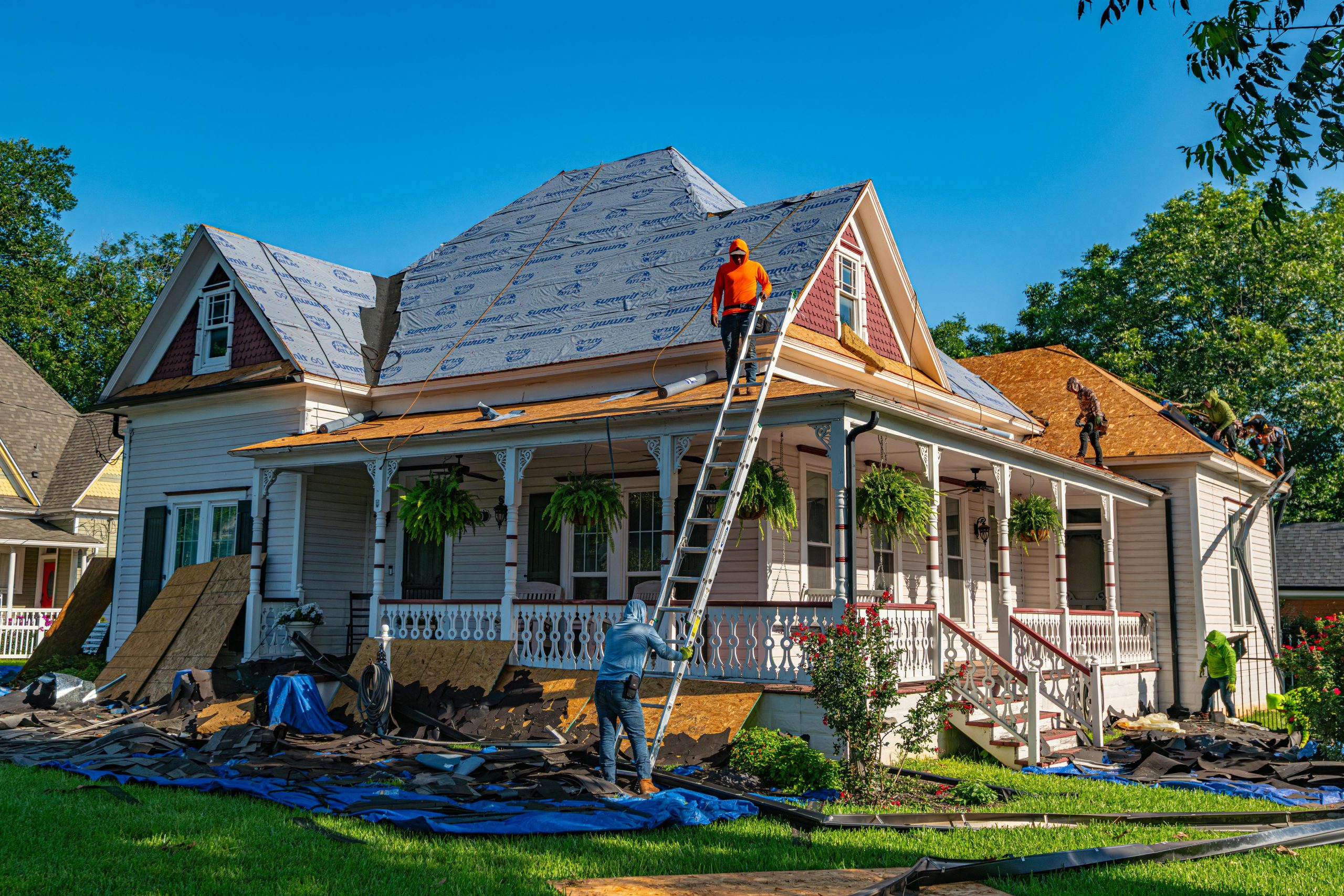
A roof problem rarely arrives at a convenient moment. It usually shows up after a hard rain, a windstorm, or a stretch of heat that finally exposes a weak point that has been quietly developing for months. A stain spreads across the ceiling. A shingle appears in the yard. Water drips into the attic, and suddenly a decision that seemed easy in theory becomes much harder in practice. Do you fix it yourself, or do you call a professional?
That choice sits at the intersection of cost, safety, skill, timing, and risk tolerance. Homeowners often lean toward the do-it-yourself route because roof repairs can be expensive, and some fixes look deceptively simple from the ground. Contractors, on the other hand, see the hidden layers beneath a leak, the structural weak spots around flashing, and the small mistakes that lead to much larger repairs six months later.
There is no single answer that fits every home, every roof, or every budget. Some roof repairs are well within the abilities of a careful homeowner. Others demand professional diagnosis and specialized installation methods. The better question is not whether DIY is good or bad. It is whether the specific repair in front of you can be handled safely and correctly without creating bigger trouble later.
What makes roof work so tricky
Roofs create a false sense of simplicity. If a shingle is missing, it seems logical that replacing the shingle should solve the problem. Sometimes it does. Just as often, the missing shingle is a symptom rather than the whole issue.
Water does not always enter a roof directly above the stain on your ceiling. It can travel along decking, rafters, insulation, or underlayment before it finally appears indoors. A leak near a chimney may actually originate at flashing two feet higher up. A wet patch around a vent boot may be caused by cracked rubber, loose fasteners, or exposed nail heads. On low-slope sections, ponding water can reveal installation flaws that have been developing for years.
There is also the matter of roof systems. Roofing is not just a top layer of shingles, tiles, or metal panels. It includes underlayment, flashing, ventilation, decking, drip edges, sealants, valleys, pipe penetrations, and the fastening pattern that holds the entire assembly in place. A homeowner might patch the visible gap while missing the failed flashing detail that caused the problem in the first place.
That is why roof repairs often look cheaper and easier before anyone climbs the ladder. Once the inspection begins, the question shifts from “Can I patch this?” to “Do I understand the whole system well enough to fix the cause, not just the symptom?”
Where DIY roof repairs can make sense
There are situations where DIY roof repairs are reasonable. If the homeowner is physically capable, comfortable on ladders, familiar with basic tools, and working on a modest, easily accessible issue, doing the repair yourself can save money and reduce delays.
Simple maintenance tasks often fit this category. Clearing debris from valleys, resealing a small exposed fastener on a metal roof, or replacing a cracked vent boot on a single-story home may be manageable for someone with patience and sound judgment. The key is not whether the task looks small. The key is whether the repair can be done safely and to a standard that prevents repeat failure.
I have seen homeowners handle minor work successfully when they approached it with restraint. They inspected carefully, waited for dry weather, matched materials properly, and stopped the moment the scope appeared larger than expected. That last part matters. Good DIY work often depends less on confidence and more on the ability to recognize limits before making a bad situation worse.
A homeowner with a ranch-style house, a gentle roof pitch, and a single damaged shingle near the edge of the roof is dealing with a very different job than someone with a steep second-story roof, brittle aging shingles, and a leak around a skylight. The first repair may be practical. The second can turn dangerous and expensive Roof Repairs royaltyexteriorsnj.com in a hurry.
The appeal of doing it yourself
The biggest reason people choose DIY is cost. Depending on the region, even a modest professional repair visit can run a few hundred dollars, and more involved work can climb well beyond that. For homeowners facing multiple home expenses at once, the chance to spend fifty dollars on materials instead of five hundred on labor is hard to ignore.
There is also the issue of timing. After major storms, roofing companies can book out for days or weeks. If water is entering the house now, a homeowner may feel pressure to take immediate action. A temporary tarp, a controlled seal, or a quick replacement of obviously displaced shingles can sometimes limit interior damage until full repairs happen.
DIY can also encourage homeowners to understand their houses better. People who maintain their roofs tend to notice clogged gutters, deteriorating caulk, algae growth, poor attic ventilation, or tree limbs rubbing the surface before those issues grow into major repair bills. That familiarity has value.
Still, the cost savings of DIY can disappear fast if the diagnosis is wrong. A repair that buys two weeks before another leak is not a bargain. A misplaced fastener through a vulnerable area, or an incompatible sealant that traps water, can lead to rotted decking and mold. Roof repairs reward precision. “Good enough” often is not.
Why professional roof repairs cost more, and why that matters
Many homeowners look at a contractor quote and focus on the visible labor. What they are also paying for is experience, access, safety preparation, material knowledge, insurance coverage, disposal, and accountability.
A seasoned roofer can often spot the real source of a leak within minutes because they have seen the same pattern many times before. They know how flashing fails around chimneys. They recognize nail pops, wind-lifted tabs, granule loss, heat cracks, and soft spots in decking. They understand how one repair affects the surrounding roof area and whether the existing materials are still sound enough to hold a fix.
Professionals also bring the right equipment. Roof jacks, harnesses, magnetic rollers for cleanup, specialized nailers, moisture detection tools, matching sealants, and replacement materials all contribute to the quality of the finished repair. Just as important, they know when a local patch is appropriate and when it will only delay the inevitable.
One of the clearest advantages of professional roof repairs is that a reputable contractor can tell you when not to spend money on a repair. If a roof is near the end of its useful life, a patch may only chase leaks from one area to another. Homeowners sometimes spend thousands in small fixes on roofs that really need replacement. A good roofer can spare you that cycle.
Safety is not a side issue
People tend to underestimate roof risk because household tasks feel familiar. Yet falls from ladders and roofs remain one of the most serious hazards in home maintenance. Even a single-story roof can cause life-changing injury. Add morning dew, loose granules, heat, fatigue, or a patch of algae, and footing becomes less predictable than it appears.
Roof pitch matters. So does height, material type, weather, and edge condition. Asphalt shingles on a cool dry day behave differently than metal roofing in direct sun. Clay tiles can crack under poor foot placement. Older decking can feel solid until it does not. And once someone starts carrying tools and materials up a ladder, balance and judgment are already under more strain.
Professional roofers accept these risks as part of their trade, but they do not treat them casually. The better crews use fall protection, staging, and site control because they know exactly how fast a routine repair can become an emergency.
A homeowner should ask a brutally honest question before attempting any roof work: if this repair goes wrong physically or technically, what is the likely cost? If the answer includes a hospital, structural rot, electrical damage, or insurance complications, the savings from DIY start looking thin.
The hidden cost of a bad patch
Poor roof repairs have a way of hiding their consequences until the bill becomes larger. A leak may appear to stop after a homeowner applies roofing cement around a flashing joint. Then summer heat softens the patch, winter freeze-thaw cycles break the seal, and the water returns, now with months of unseen moisture in the decking.
I have seen small repairs turn into partial reroofs because someone used the wrong materials, drove nails in the wrong location, or sealed a shingle tab in a way that trapped water where it should have drained. A common mistake is overusing sealant. More tar does not necessarily mean more protection. In some areas, it simply diverts water sideways and creates a new entry point.
There is also the issue of matching existing roofing materials. Shingles have exposure patterns, adhesive strips, and color blends that vary by manufacturer and age. Flashing profiles differ. Fastener types matter. A repair that looks acceptable from the driveway may violate manufacturer recommendations or local code, which can become important during a home sale or insurance claim.
When people talk about DIY saving money, they often compare it to the first contractor quote. The more useful comparison is between a properly completed repair and a failed repair that must be redone, along with any interior damage that occurred in the meantime.
When a homeowner should probably not attempt the repair
Some roof problems fall squarely into professional territory, either because they are technically demanding or because the risk of getting them wrong is too high.
- Leaks around chimneys, skylights, and valleys
- Repairs on steep, high, or difficult-to-access roofs
- Storm damage affecting multiple sections of the roof
- Signs of sagging, soft decking, or structural weakness
- Any issue involving insurance documentation or warranty concerns
Each of these situations involves more than a surface-level patch. Chimney and skylight leaks often involve layered flashing details that must integrate correctly with surrounding materials. Valleys manage concentrated water flow, which leaves little room for sloppy installation. Structural softness suggests damage beneath the surface. Insurance-related work benefits from clear documentation, scope accuracy, and a repair history that will hold up under scrutiny.
Cases where DIY can be reasonable
That does not mean homeowners should never touch their roofs. A cautious approach to minor issues can be practical, especially when the work is more maintenance than reconstruction.
- Replacing one or two clearly damaged shingles on a low-slope, single-story roof
- Clearing leaves and debris that trap water in valleys or against flashing
- Applying a temporary tarp while waiting for a contractor after a storm
- Replacing a simple, accessible vent cap or vent boot when the surrounding roof is sound
- Sealing a small, obvious exposed fastener with the correct roofing product
Even in these cases, the homeowner should inspect from inside the attic first if possible, confirm the weather window, use proper ladder practices, and stop immediately if the repair scope expands. Temporary measures should remain temporary. A tarp is not a fix. It is a way to control damage until the right repair can happen.
Material type changes the answer
The DIY versus professional debate shifts depending on what your roof is made of. Asphalt shingles are the most forgiving material for minor repair work, which is one reason homeowners are tempted to tackle them. Even there, matching shingle type, nailing pattern, and seal strip placement matters.
Metal roofs demand a different level of care. Fastener placement, washer compression, panel overlap, and sealant compatibility all matter. A repair that looks watertight can create thermal movement issues or corrosion if the wrong products are used.
Tile and slate roofs are less forgiving still. They can crack under improper foot traffic, and replacement often requires specific lifting and fastening techniques. Flat and low-slope roofs come with their own challenges, especially around seams and drainage. Water movement behaves differently there, and what appears to be a small defect can indicate broader membrane failure.
For that reason alone, homeowners with tile, slate, or specialized low-slope systems should be cautious. The chance of causing additional damage while attempting a simple fix is much higher.
Age of the roof matters more than people expect
A repair on a five-year-old roof is fundamentally different from a repair on a twenty-year-old roof. Newer roofs are more likely to have flexible materials, available matching products, and isolated failures. Older roofs may have brittle shingles, weakened seal strips, previous patch layers, and hidden moisture damage.
On aging roofs, even walking the surface can cause breakage. Lifting one shingle to replace another may crack adjacent pieces. Sealants that once bonded well may no longer adhere reliably. If the roof is near the end of its service life, the best professional advice may be to avoid piecemeal repairs unless they are necessary to buy a short period before replacement.
That can be frustrating for homeowners, especially when they want a small affordable fix. But spending money wisely sometimes means not investing in repairs with a poor return. Professional roofers who are honest about that provide a real service.
Warranties, insurance, and resale concerns
One area homeowners often overlook is paperwork. Roof repairs do not happen in a vacuum. They can affect manufacturer warranties, workmanship guarantees, home inspections, and future insurance claims.
If a roof is still under a workmanship warranty from the original installer, bringing in a third party, or doing your own repair, may complicate coverage. If storm damage is involved, insurers may want photos, measurements, dates, and itemized documentation. A casual patch completed before evidence is recorded can weaken a claim.
Home resale adds another layer. Buyers and inspectors look closely at roofing. A visibly amateur repair can raise concerns about what else was maintained the same way. Even if the patch is holding, it can trigger requests for professional inspection, credits, or further repairs before closing.
Professional roof repairs are not automatically superior because a contractor did them. Poor contractors exist in every market. But documented, code-conscious work from a reputable company usually stands up better during claims and transactions than an undocumented DIY fix.
How to decide without guessing
The best roofing decisions are usually made after a calm assessment, not a rushed one. If you are deciding between DIY and professional help, start with the conditions rather than your optimism.
Ask yourself how high the roof is, how steep it is, and whether you can access the problem safely without overreaching. Consider whether the leak source is obvious or only assumed. Think about the age of the roof, the material type, and whether this is the first issue or one of several. A single displaced shingle after a wind event is one thing. Repeated leaks around penetrations point to a more complex problem.
Then consider your own experience honestly. Have you completed exterior repairs that needed to stay weatherproof for years, not days? Do you know how to remove and replace roofing materials without damaging adjacent components? Can you distinguish between a temporary dry-in and a finished repair?
There is nothing unskilled about recognizing when a repair exceeds your range. In home maintenance, restraint saves a surprising amount of money.
The best middle ground for many homeowners
There is a practical middle path that often works well. Homeowners can handle inspection from the attic, document symptoms with photos, control interior water damage, and take emergency protective steps like moving belongings or using a tarp if conditions are safe. Then a professional can handle diagnosis and permanent repair.
That approach keeps the homeowner engaged without asking them to become a roofer overnight. It also helps when getting quotes. A homeowner who can describe when the leak occurs, where the moisture appears, and what conditions make it worse gives the contractor better information, which often leads to a more precise repair plan.
Some people also choose a hybrid route, where a contractor handles the roof repair and the homeowner takes care of related maintenance such as gutter cleaning, tree trimming, attic monitoring, or minor repainting after an interior stain is addressed. That division of labor makes sense. It puts the technical weatherproofing work in professional hands while keeping ownership of basic upkeep.
Which option is better?
Professional roof repairs are better when the issue is complex, the roof is difficult to access, safety is a concern, or the cost of failure is high. DIY is better when the problem is truly minor, the homeowner has the right skill level, and the repair can be done safely and correctly without guessing.
For most homeowners, the real dividing line is not effort. It is consequences. If a mistake would only mean redoing a small repair on an accessible section of roof, DIY may be justified. If a mistake could send water into insulation, wiring, framing, or finished ceilings, professional help is usually the smarter investment.
Roofing rewards accurate judgment more than enthusiasm. A confident patch is not the same thing as a durable repair. The best choice is the one that solves the problem once, protects the house beneath it, and does not create a second problem in the process.
Royalty Exteriors
151 NJ-10 Suite 103A
Succasunna, NJ 07876, United States
+1 973-333-7234
FAQ About Roof Repairs
Can you fix a roof leak without replacing the whole roof in Succasunna,NJ?
Often, a localized leak can be repaired without replacing the entire roof, depending on its cause and the condition of the surrounding materials. Damaged shingles, flashing, or a roof penetration may need targeted work. Royalty Exteriors offers roof repairs for leaks, storm damage, and shingle issues. An inspection is needed to determine the appropriate scope.
What is considered a minor roof leak?
A leak may be considered minor when the damage is limited to a small area and the surrounding roofing remains sound. A small ceiling stain alone does not establish the extent of the problem because water can travel before becoming visible. Have the source and any concealed damage assessed promptly.
Is it better to repair or replace a leaky roof?
The decision depends on the roof's age, overall condition, leak source, extent of damage, and history of previous repairs. A localized problem on an otherwise serviceable roof may be suitable for repair. Widespread deterioration or recurring leaks may justify considering replacement. Ask for an inspection and a written explanation of the recommended work before deciding.