Eco-Friendly Roof Repairs: Sustainable Options for Homeowners
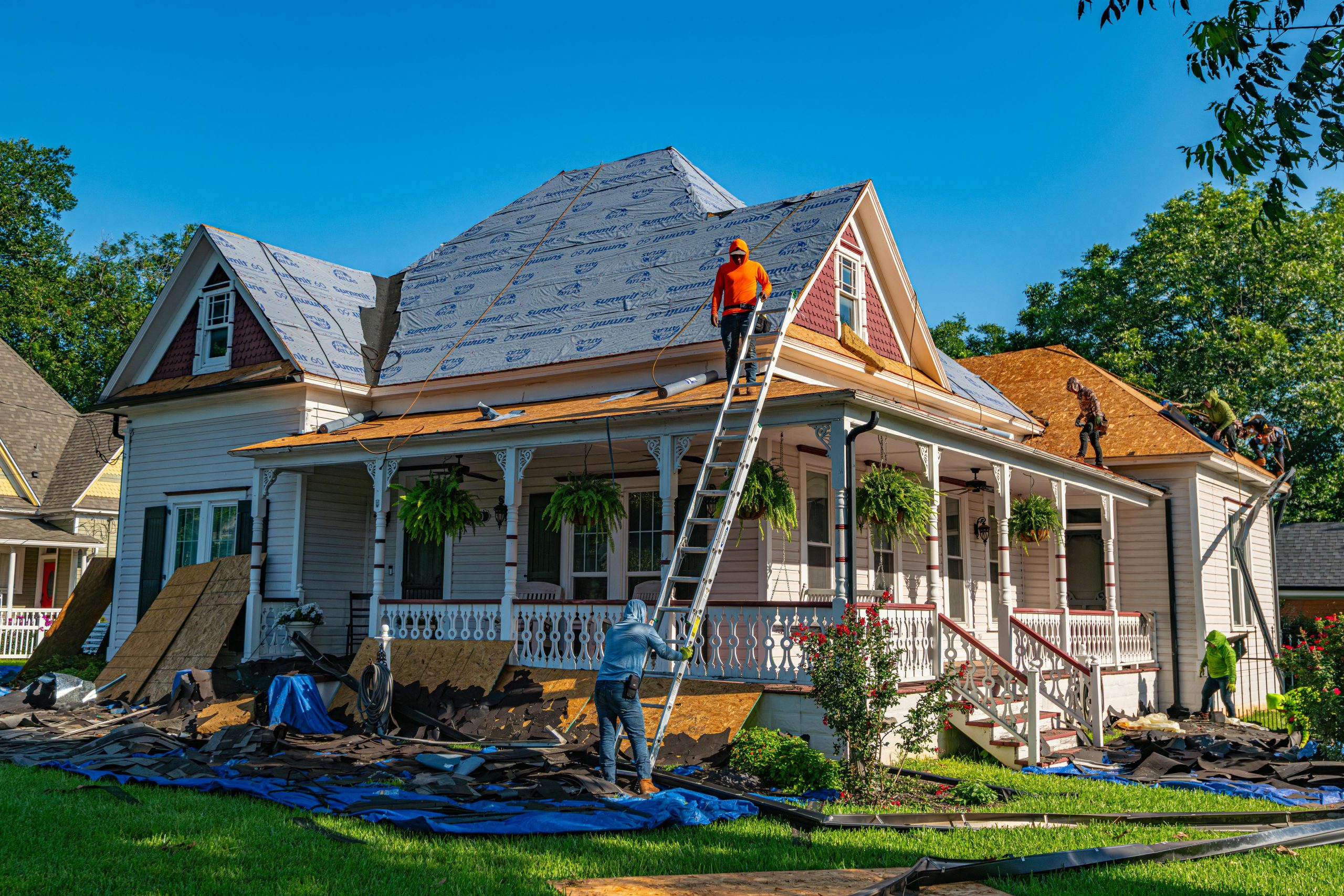
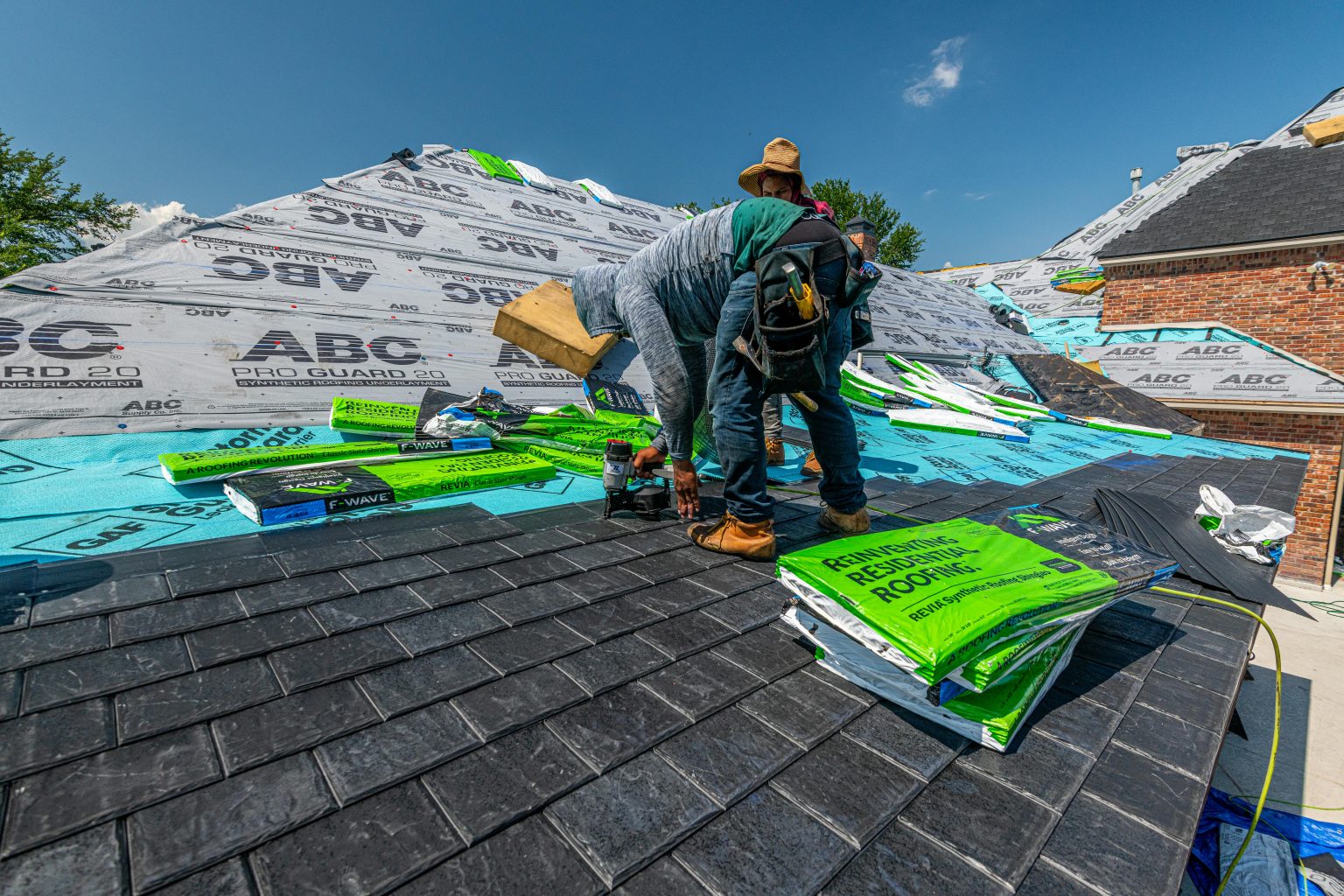
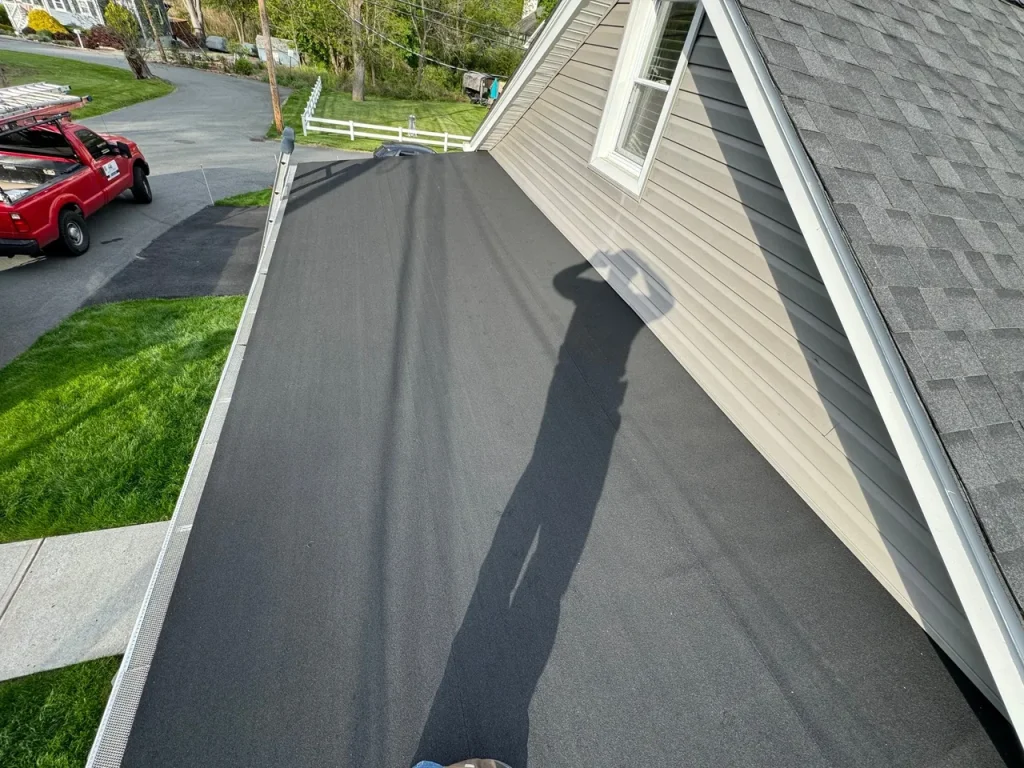
A roof repair can either solve a problem for the next season or set a home up for the next twenty years. That difference usually comes down to materials, timing, and the judgment used to decide what truly needs replacing. Homeowners who want a greener approach often assume sustainability means paying a premium for specialty products or committing to a full roof replacement. In practice, some of the most eco-friendly roof repairs are simply the ones that preserve what still works, reduce waste, and improve performance without tearing off more than necessary.
That matters because roofing carries a heavy environmental cost. Asphalt shingles, underlayment, flashing, insulation, sealants, transportation, and landfill disposal all add up. A small leak around a vent boot may not look like a sustainability issue, but if it turns into wet insulation, rotted decking, mold cleanup, and an early reroof, the carbon and financial footprint grows quickly. Repairing with restraint, and repairing well, is often the greener move.
Homeowners also face a practical reality. Roof systems are exposed to sun, rain, wind, branch impact, freeze-thaw cycles, and foot traffic from service crews. Any “eco” decision has to survive those conditions. I have seen beautifully marketed products fail because they were a poor fit for the climate or because the repair crew skipped a basic detail, such as proper fastening or water shedding around a penetration. Sustainable roof repairs only count if they hold up.
The greenest repair is often the smallest effective one
There is a tendency in roofing, especially after storms, to jump straight to replacement. Sometimes that is necessary. Hail can fracture shingle mats, old tile roofs can become too brittle to salvage, and some low-slope membranes reach a point where patching becomes false economy. But plenty of homes are over-repaired.
A targeted repair keeps usable material in service and avoids sending debris to the dump. Replacing a few damaged shingles, a rusted flashing section, or a cracked pipe boot can extend the life of the entire assembly by years. On a metal roof, resealing fasteners and replacing localized corrosion at panel laps may prevent moisture intrusion without replacing large sections. On tile and slate, selective replacement of broken units preserves the embodied energy already invested in the roof.
This is where a careful inspection matters. Water does not always enter directly above the stain on the ceiling. It can travel along rafters, decking seams, or insulation before showing itself indoors. A good roofer checks the field covering, valleys, step flashing, kickout flashing, vents, chimneys, skylights, gutters, and attic ventilation before recommending a scope of work. From a sustainability standpoint, that diagnostic work is valuable because it helps avoid both under-repair and unnecessary replacement.
Repair choices that reduce waste without sacrificing durability
Eco-friendly roof repairs are rarely about one miracle product. They are about a set of choices that reduce material use, improve service life, and support future maintenance. The best option depends on roof type, climate, and the age of the existing system.
For asphalt shingle roofs, which cover a huge share of homes in North America, sustainable repair usually means matching the existing system as closely as possible while upgrading weak points. If only a small area is damaged, replacing individual shingles is typically lower impact than stripping a full slope. It is also worth using higher-quality flashing metal and better sealants in vulnerable transitions, since leaks often originate at details rather than in the field of the shingles. A $40 flashing correction can prevent thousands of dollars in collateral damage.
Metal roofs offer another strong path for environmentally minded homeowners because they can often be repaired repeatedly before replacement becomes necessary. Localized panel replacement, seam resealing, fastener upgrades, and rust treatment can add meaningful life. If the roof has a factory finish that is still intact over most of the surface, preserving it is usually the better environmental choice than full tear-off. The caveat is corrosion. Once oxidation has compromised structural thickness or spread under laps, spot repairs become less dependable.
Tile, slate, and wood shake each come with their own logic. Clay and concrete tiles can last for decades, but underlayment beneath them often fails first. If the tiles are salvageable, a lift-and-relay repair can be more sustainable than discarding the entire assembly. Slate is durable but highly dependent on skilled handling. Breakage from careless foot traffic is common. With cedar shakes, homeowners have to weigh aesthetics and repairability against fire resistance, moisture performance, and maintenance demands. In damp or fire-prone regions, repairing an aging wood roof may not be the most responsible long-term decision.
Low-slope and flat roofs deserve special mention because they are often repaired with patching compounds that fail early. A sustainable repair here relies on compatibility. TPO, EPDM, modified bitumen, and built-up roofing do not all accept the same adhesives, primers, or patch methods. Mismatched products lead to peeling seams and recurring leaks. If your contractor cannot clearly explain why a patch is chemically and mechanically compatible with the existing membrane, that is a warning sign.
Materials worth considering when damage is localized
When homeowners ask for eco-friendly repair materials, they usually mean products with recycled content, lower toxicity, or longer life. All three can matter, but performance should lead. A repair that uses a “green” sealant and fails in eighteen months is not sustainable.
Recycled-content metal flashing is a good example of a practical upgrade. Aluminum and steel often contain significant recycled material, and properly installed flashing can last a very long time. In many repairs, the flashing does more to protect the roof than the visible covering does. Upgrading step flashing, valley metal, or chimney counterflashing can deliver a strong return in both durability and waste reduction.
Sealants and coatings require more care. Low-VOC products can reduce indoor and jobsite emissions, which is worthwhile, but they must suit the substrate and exposure. Some roof mastics stay flexible for years, while others crack, shrink, or separate under UV exposure. Elastomeric coatings can be useful on certain low-slope roofs or metal roofs, especially when the goal is to extend life and improve reflectivity, but they are not a universal fix. On steep-slope shingle roofs, coating is often a poor substitute for proper repair.
Underlayment is another place where small choices matter. If a repair opens enough area to expose the deck, using a durable synthetic underlayment rather than a low-grade felt can improve moisture protection and reduce the chance of rework. Synthetic products are not impact-free, but many outperform traditional felt and can help avoid premature failure. As with any material, the greener option is often the one that keeps the roof dry for longer.
Cool roof details can be built into repair work
Many homeowners think cool roofs only matter during a full replacement, but repair work can still move a roof in that direction. If a storm damages one slope and there is a legitimate need to replace a meaningful section, choosing lighter-colored, more reflective materials can reduce heat gain. The same applies to metal panel replacements, low-slope membrane patches, and coatings where appropriate.
The energy savings vary with climate, insulation levels, attic ventilation, roof color, and shade. In hot, sunny regions, the difference can be noticeable. In colder climates, reflectivity must be weighed against winter heating needs, snow behavior, and the home’s overall energy profile. A reflective patch on a mostly dark roof will not transform utility bills, but incremental improvements still count, especially if future repairs or phased replacement continue the pattern.
Reflectivity should not be treated as the only green metric. I have seen bright white coatings installed over moisture-trapped substrates just because the reflective surface sounded efficient. Within a short time the roof blistered, and sections had to be removed. Moisture management comes first. Thermal performance is meaningful only when the assembly is sound.
Ventilation repairs often matter more than homeowners expect
A surprising amount of roof deterioration begins inside the house. Poor attic ventilation and insulation problems can create heat buildup in summer and condensation in winter. Over time, that shortens shingle life, warps decking, promotes mold, and drives ice dam formation in cold climates. If you repair the surface but ignore the attic conditions, you may simply be resetting the clock on the same failure.
Soffit vents blocked by insulation, disconnected bathroom exhaust ducts dumping moisture into the attic, and inadequate ridge venting are common issues. These are not glamorous repairs, but they are some of the most sustainable because they help the entire roof system last longer. They can also improve comfort indoors and reduce HVAC strain.
There is a judgment call here. More ventilation is not automatically better. Balanced intake and exhaust matter. An oversized power vent paired with poor intake can depressurize the attic in ways that pull conditioned air from the living space. A thoughtful contractor or energy auditor should look at the whole assembly rather than selling ventilation hardware as a cure-all.
Salvage, recycling, and reuse deserve a place in the conversation
Not every old roofing material can be reused, and not every region has convenient recycling options. Still, homeowners should ask. Metal is commonly recyclable. Some asphalt shingle tear-offs can be processed for use in paving, depending on local programs and contamination limits. Clay and slate may be salvageable if removed carefully. Even dimensional lumber or sheathing replaced during repair can sometimes be separated for recycling or reuse rather than mixed into general construction waste.
The challenge is logistics. Small repair jobs do not always generate enough material to make sorting cost-effective, and some crews default to a single mixed dumpster because it is faster. That Roof Repairs is understandable, but not inevitable. If sustainability is important to you, discuss debris handling before the work starts. A contractor who already has relationships with local recyclers is more likely to follow through than one who says they will “see what they can do” on the day of the job.
When patching becomes wasteful
There is a point where repeated Roof Repairs stop being green and start becoming expensive waste. I have seen homeowners spend money three times on the same trouble area because each repair addressed the symptom but not the underlying condition. A valley with flawed geometry, a chimney with chronic flashing issues, or a low-slope section with trapped moisture may keep failing no matter how many sealant-heavy patches are applied.
You can usually spot this pattern when repair invoices accumulate but the roof’s condition continues to decline. Curling shingles across multiple slopes, widespread granule loss, soft decking, persistent attic moisture, or repeated interior staining are signs that the system may be near the end of its useful life. In that situation, selective repairs can still make sense as a short bridge, but presenting them as the most sustainable long-term strategy would be misleading.
Sometimes a phased replacement is the responsible compromise. If budget does not allow for a full reroof, replacing the most compromised section first while preserving sound areas can reduce emergency damage and spread cost over time. That approach requires careful detailing where old and new work meet, but it can be a sensible middle ground.
Questions that separate a thoughtful repair from a cosmetic one
When homeowners are comparing proposals, the most useful questions are not always about brand names. They are about diagnosis, scope, and whether the contractor understands why the roof failed.
- What is the root cause of the leak or damage, and how did you confirm it?
- Which existing materials can remain safely in place, and which truly need replacement?
- Are the new materials compatible with the current roof system and local climate?
- How will debris be handled, and are any materials being recycled or salvaged?
- What detail in this repair is most likely to fail if done poorly?
A contractor who answers clearly, without hiding behind jargon, is usually more trustworthy than one who jumps straight to a price. You want someone who can explain why a vent boot failed, how ice dams formed, or why a seam opened up, not someone who only talks about “storm damage” in general terms.
Cost, lifespan, and environmental value rarely line up perfectly
A sustainable repair is not always the cheapest option on bid day. Higher-grade flashing metals, better underlayments, careful tile salvage, and proper attic corrections can all raise the immediate price. Yet these are often the repairs that avoid callback visits and secondary damage. That is the financial side of sustainability that rarely makes the brochure.
For example, replacing a cheap rubber pipe boot with a more durable boot and integrating it correctly with surrounding shingles may cost a bit more upfront. But when low-grade boots crack after years of UV exposure, the resulting leaks often stain ceilings, wet insulation, and damage sheathing. The greener choice is the one that prevents that cascade. The same logic applies to repairing chimney flashing with mechanically sound metal details rather than relying mainly on surface sealant.
Homeowners should also be wary of repair proposals that seem sustainable only because they are minimal. A patch can be too small. A valley repair that omits rotted decking is not conservative, it is incomplete. Green claims have to be tested against service life.
Matching the repair to the climate
Climate changes the answer more than many people expect. A repair that performs well in a dry, hot region may struggle in coastal humidity or heavy snow. Wind uplift zones, wildfire exposure, salt air corrosion, hail frequency, and freeze-thaw cycles all affect the most sustainable choice.
In snow country, ice and water protection near eaves and valleys can be a smart addition when repairs expose enough area to justify it. In coastal areas, corrosion-resistant fasteners and flashing are more than an upgrade, they are often essential. In high-heat regions, Roof Repairs reflective components and ventilation corrections may deliver larger benefits. In wildfire-prone zones, replacing damaged combustible details with more fire-resistant materials can improve resilience and may lower future risk.
That local fit is one reason generic online advice can lead homeowners astray. Roofing is highly regional. Material availability, code requirements, installer skill, and weather patterns all shape what “eco-friendly” means on a real house.
Practical priorities for homeowners planning roof repairs
If I had to reduce the decision-making process to a short field guide, it would look like this:
- Preserve sound materials whenever possible, but do not leave hidden moisture or rot in place.
- Spend money on water-shedding details first, especially flashing, underlayment transitions, and penetrations.
- Fix attic moisture and ventilation issues when they contribute to roof failure.
- Ask about salvage and recycling before the crew arrives, not after the dumpster is full.
- Choose durability over marketing language every time.
Those priorities tend to hold up across roof types. They are not flashy, but they are how sustainable repairs succeed in the real world.
Choosing the right contractor matters as much as the material
A well-designed repair can still fail if the installer rushes the prep work or skips the details that never show once the job is finished. Roofing is one of those trades where craftsmanship is difficult for a homeowner to judge by appearance alone. A roof can look tidy from the driveway and still leak at the first hard rain.
Look for a contractor who documents problem areas with photos, explains moisture pathways, and describes repair sequencing in plain language. If they recommend replacing flashing, they should specify what type and how it integrates with the existing roof. If they plan to reuse tile or slate, they should explain breakage expectations and how they will protect surrounding areas during access. If they propose a coating or membrane patch, they should be able to name the products and explain compatibility.
Experience with your specific roof type matters. A crew that is excellent on asphalt shingles may not be the best fit for slate, standing seam metal, or low-slope membranes. Sustainable roof work depends on making the existing system last longer, and that requires respect for how that system was built in the first place.
A better way to think about eco-friendly Roof Repairs
The most responsible roof repair is usually the one that does four things at once. It stops water reliably, retains as much serviceable material as possible, avoids repeat work, and improves the roof’s performance where practical. That might mean replacing a handful of shingles and a vent boot. It might mean carefully lifting tile to renew failed underlayment. It might mean admitting that a chronically patched section has reached the end and should be replaced before it damages the home below.
Homeowners do not need perfect materials or grand gestures to make a real environmental difference. They need sound diagnosis, durable details, and a contractor willing to repair with discipline instead of excess. Done that way, roof repairs become more than maintenance. They become one of the simplest, most grounded forms of sustainable homeownership.
Royalty Exteriors
151 NJ-10 Suite 103A
Succasunna, NJ 07876, United States
+1 973-333-7234
FAQ About Roof Repairs
Can you fix a roof leak without replacing the whole roof in Succasunna,NJ?
Often, a localized leak can be repaired without replacing the entire roof, depending on its cause and the condition of the surrounding materials. Damaged shingles, flashing, or a roof penetration may need targeted work. Royalty Exteriors offers roof repairs for leaks, storm damage, and shingle issues. An inspection is needed to determine the appropriate scope.
What is considered a minor roof leak?
A leak may be considered minor when the damage is limited to a small area and the surrounding roofing remains sound. A small ceiling stain alone does not establish the extent of the problem because water can travel before becoming visible. Have the source and any concealed damage assessed promptly.
Is it better to repair or replace a leaky roof?
The decision depends on the roof's age, overall condition, leak source, extent of damage, and history of previous repairs. A localized problem on an otherwise serviceable roof may be suitable for repair. Widespread deterioration or recurring leaks may justify considering replacement. Ask for an inspection and a written explanation of the recommended work before deciding.